
Introduction
Artificial Intelligence, or AI, has completely changed how businesses connect with customers online. From chatbots handling customer service to AI tools writing ad copy, the digital marketing world now runs smarter and faster than ever before. In 2025, AI is not a future trend — it’s the present driving force behind almost every marketing decision.
How AI Enhances Customer Understanding
At the heart of every successful digital marketing campaign is a deep understanding of the audience. AI helps marketers gather and interpret massive amounts of data in real time. Tools like predictive analytics and natural language processing allow companies to understand customer behavior, preferences, and emotions more accurately.
For example, if a user often searches for eco-friendly products, AI can automatically suggest personalized ads, products, and blog content that match their interests. This type of targeting not only improves user experience but also increases engagement and sales.
Smarter Content Creation
Creating original, engaging content has always been one of the biggest challenges in digital marketing. AI has made this easier by providing tools that analyze keyword trends, suggest blog topics, and even generate first drafts. Platforms like Jasper, Copy.ai, and Notion AI help marketers produce human-like, SEO-optimized content quickly.
However, the key isn’t letting AI do all the work — it’s about using it as a co-creator. Marketers add creativity, tone, and brand personality to what AI starts. This balance keeps content fresh, unique, and authentic.
AI-Powered SEO
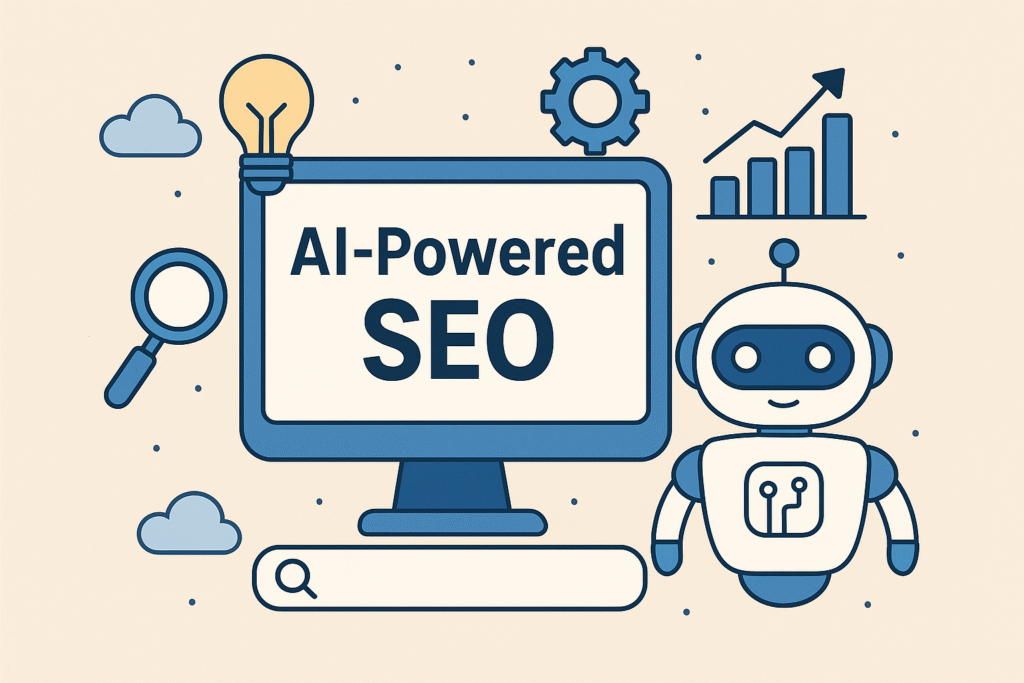
Search engine optimization (SEO) is evolving rapidly. Google’s AI-based updates like Search Generative Experience (SGE) prioritize accuracy, relevance, and genuine value for readers. AI tools now help marketers track keyword performance, predict ranking factors, and adjust strategies faster than humans could.
For instance, AI-driven SEO platforms can identify which pages are dropping in rank and suggest quick fixes, such as updating headlines or reusing popular keywords. This means businesses can maintain visibility and stay ahead of competitors effortlessly.
Personalized Marketing Experiences
Gone are the days when one-size-fits-all marketing worked. Today, AI creates hyper-personalized experiences for every user. From personalized emails to unique product recommendations, AI tailors messages to individual tastes and actions.
Netflix, for example, uses AI to recommend what to watch next based on viewing history. Similarly, e-commerce sites use AI to show only products that a particular shopper is likely to buy. When customers feel understood, they’re far more likely to trust and purchase from a brand.
AI in Social Media Marketing
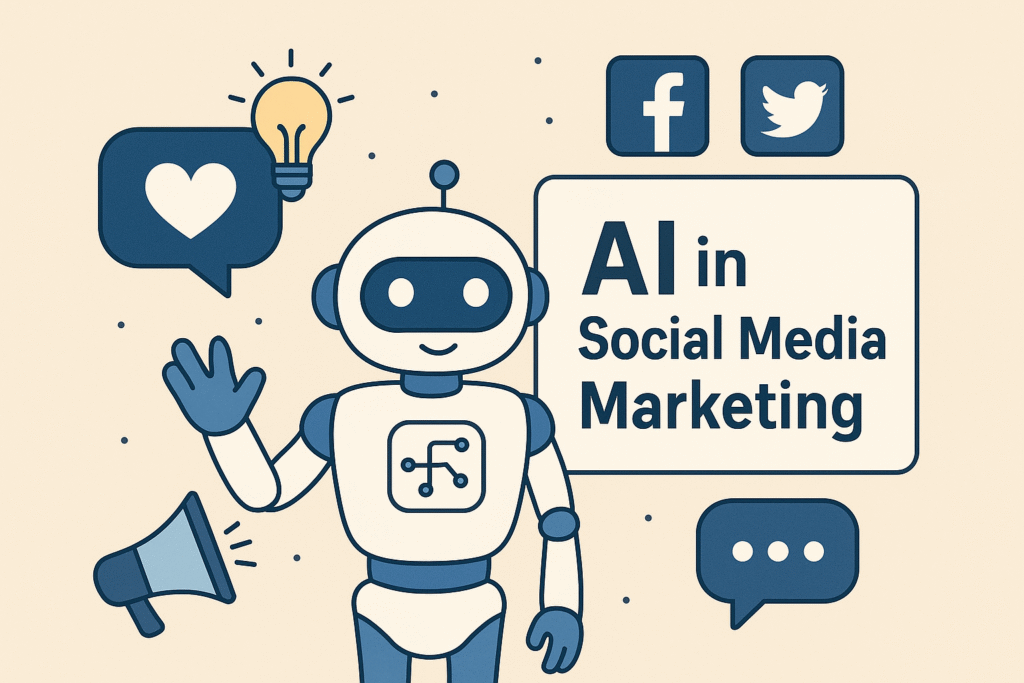
Social media is another area where AI is taking center stage. AI-infused tools like Meta’s Advantage+ and TikTok’s Smart Creative help advertisers design, target, and optimize campaigns automatically. AI analyzes engagement patterns to determine the best posting times, ad formats, and audience segments.
Additionally, AI-driven sentiment analysis tools can scan thousands of comments and mentions to measure how people feel about a brand. This insight allows companies to respond faster to trends or negative feedback.
Enhanced Customer Support Through Chatbots
AI-powered chatbots have become the backbone of customer support for many digital businesses. These bots handle common queries instantly, 24/7, freeing human agents to focus on complex issues. They can even predict customer needs by analyzing previous interactions.
For instance, if someone has recently browsed a product page, an AI bot might offer an instant discount or suggest similar products. This quick, personalized service improves satisfaction and increases conversions.
Automation and Efficiency
Beyond creativity, AI is dramatically improving efficiency. Tasks that once took hours, like data entry, social media scheduling, and performance reporting, are now automated. Marketers can focus on strategy and creative aspects while AI handles the routine jobs.
AI-powered marketing automation helps ensure that ads are placed in the right channels at optimal times, making campaigns more cost-effective and impactful.
Ethical Considerations and the Human Touch
While AI brings speed and precision, it’s also raising ethical questions — such as privacy, data usage, and authenticity. Transparency matters more than ever. Businesses must clearly communicate how they collect and use customer data.
Most importantly, marketing should never lose its human element. People connect with real emotions, stories, and values. Successful marketers in 2025 will use AI to enhance human creativity — not replace it.
Conclusion
AI is more than a digital buzzword; it’s the foundation of modern marketing. It personalizes experiences, automates routine work, and helps brands connect with their audiences in powerful ways. The future belongs to marketers who learn how to think creatively and act intelligently with AI. Embrace it now, and your business won’t just survive the digital revolution — it will lead it.